
Energy efficiency
When is the energy performance certificate mandatory?
Updated: 2026-08-23
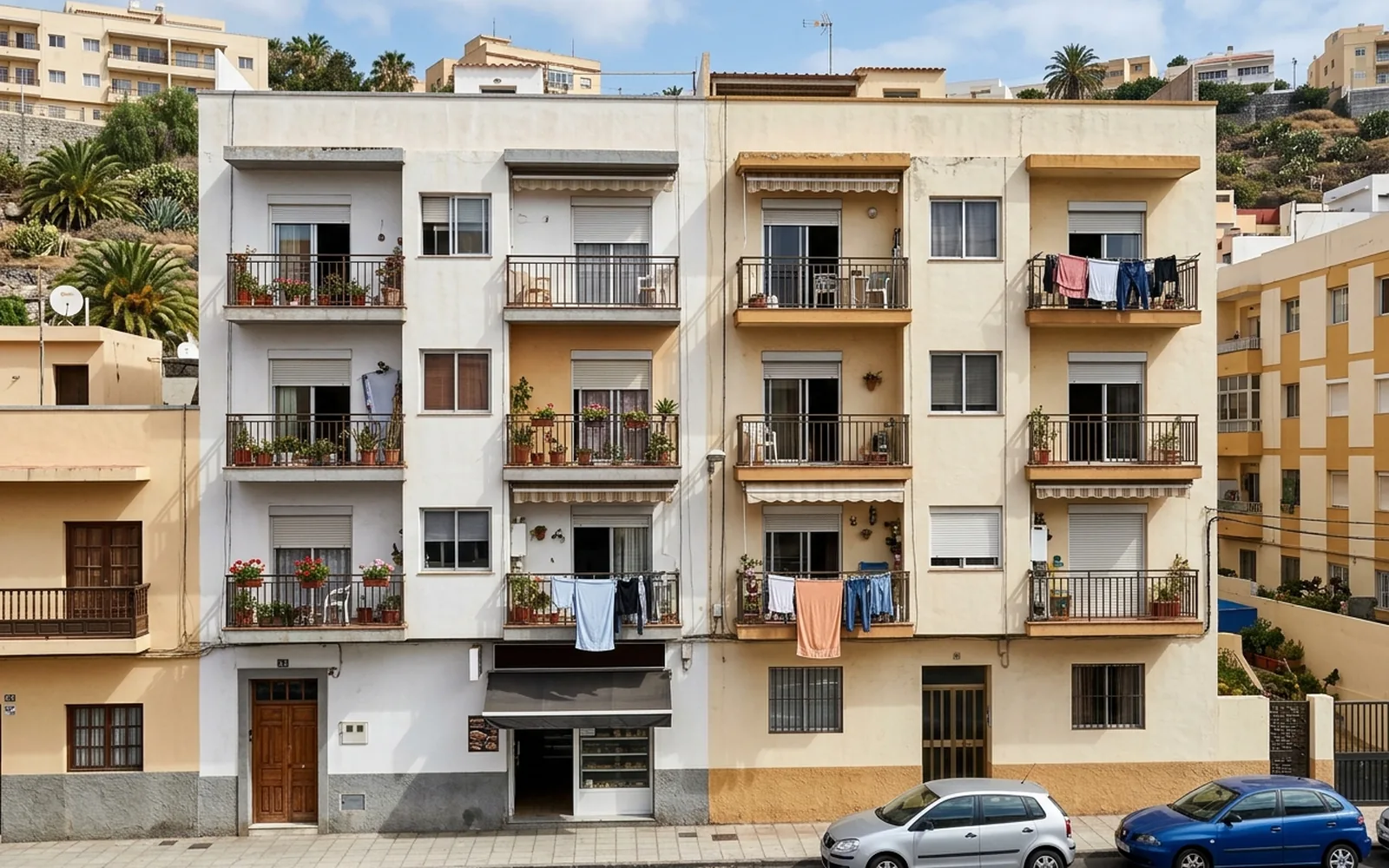
The general rule: selling or renting requires it
Since 2013, as a general rule, every property sold or rented in Spain must have an energy performance certificate. It is the document that rates the home or premises from A to G according to its energy consumption and emissions, and that produces the well-known energy label.
In practice you'll notice it at three moments: the sale or rental listing must show the rating, the rental contract requires handing a copy to the tenant and, in a sale, the notary will ask for the registered certificate for the deed.
Other cases in which it is also required
Besides sale and rental, the regulations provide for the certificate in other scenarios:
- 01New construction: the newly built building or dwelling obtains its certificate when the work is completed.
- 02Major renovations that substantially modify the envelope or the installations.
- 03Certain public renovation grants and subsidies, which require it as part of the file's documentation.
- 04Public-use buildings over a certain surface area, which must also display the label.
The exceptions the rule contemplates
The regulations list specific exceptions. The most common for private homes and properties:
- 01Standalone properties with a usable surface area under 50 m².
- 02Properties bought for demolition or major renovation, duly accredited.
- 03Homes for temporary use of less than four months a year, with the corresponding declaration.
- 04Properties protected for their historical value, when the requirements would alter their character, according to the technical report accrediting it.
How long it lasts and when to renew it
The certificate is valid for a maximum of ten years. After that, it must be renewed. And even while it remains valid, it is worth updating it if relevant renovations have been made (windows, insulation, boiler or aerothermal), because the rating may improve and a better letter helps sell or rent.
The certificate must be registered with the competent body of the autonomous community: in the Canary Islands, the corresponding registry of the regional government. Only with that registration is the label valid for advertising and signing.
What happens if you sell or rent without a certificate
Not having the certificate does not invalidate the transaction, but it does create practical problems: the listing would be incorrect, the notary can halt the signing until it exists and the responsibility for not providing it falls on the owner. The sensible approach is to commission it in advance: the visit is brief and the certificate is obtained within a few days.
Who can issue it
The certificate is signed by technicians with the qualifying degree the regulations require. At MideFinca we prepare it with a visit to the property and real data capture, calculate it with the official procedures and register it with the competent body of the Canary Islands, handing you the label ready for the listing and the signing. If you think your case may be exempt, ask us before ruling it out.