
Land Registry & deeds
What is the horizontal division (división horizontal) and when is it needed
Updated: 2026-08-24
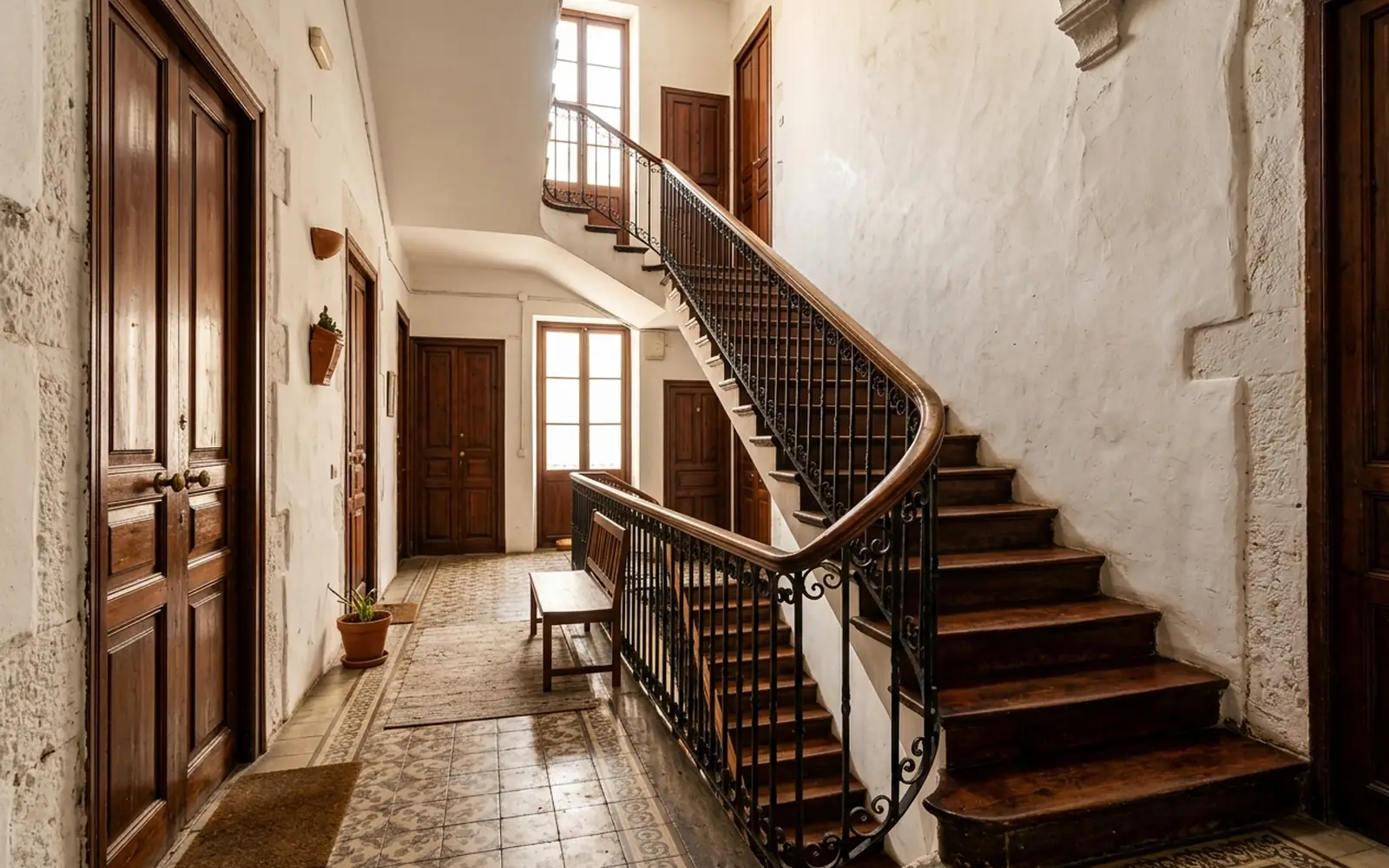
One building, several independent properties
The división horizontal (horizontal division) is the Spanish legal figure that allows a building to be divided into independent units, each with its own ownership: flats, commercial premises, storage rooms or parking spaces. It underpins the horizontal property regime, the usual system for residential buildings with common elements.
Each unit is described in the constitutive title: its floor area, its layout, the common elements allocated to it and its participation quota in the building as a whole.
When technical measurement work is needed
The technical side becomes important in situations such as these:
- 01Establishing the horizontal division of a new or existing building that was never divided.
- 02Modifying an existing division: joining or separating units, changing floor areas or uses.
- 03Correcting differences between what was built and what the title describes.
- 04Providing measured data for the sale, inheritance or valuation of a unit.
Why quotas and floor areas must be measured
Participation quotas are usually calculated in relation to the floor area or value of each unit, and community expenses and meeting majorities depend on them. If the starting area is not the real one, everything built on it is skewed.
Prior technical measurement, unit by unit, avoids deeds based on figures inherited from old plans or approximate declarations. The deed and the registration correspond to the notary and the Land Registry; the measured data base corresponds to the technician.